The Significance of Diwali
Posted on
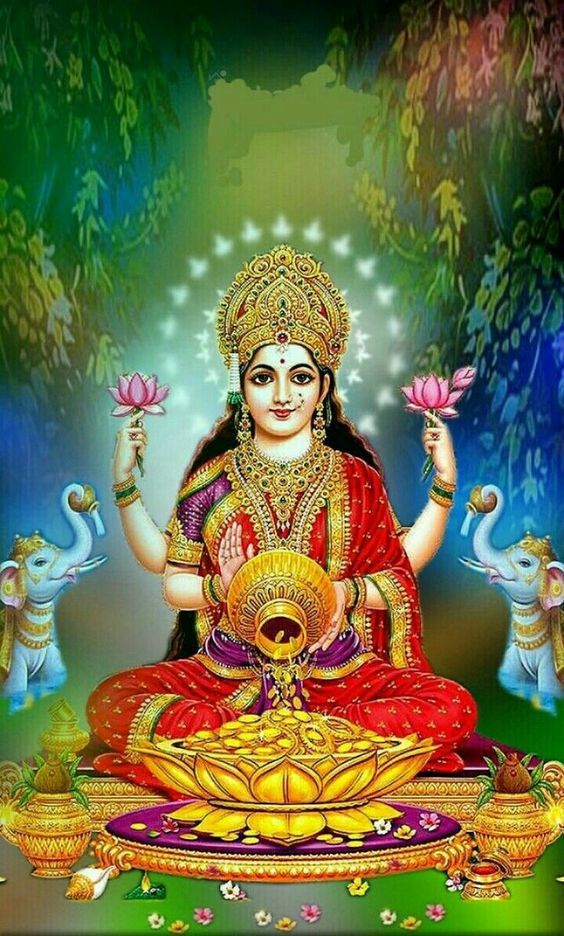
Diwali, the festival of lights, is one of the most significant festivals in Hinduism. It symbolizes the spiritual "victory of light over darkness, good over evil, and knowledge over ignorance."
The festival is celebrated over five days, each with its own unique rituals and significance. The main night of Diwali coincides with the darkest, new moon night of the Hindu Lunisolar month Kartika.
The Five Days of Diwali
- Dhanteras: The festival begins with Dhanteras, where it is auspicious to clean the home and purchase new utensils or precious metals.
- Naraka Chaturdashi: Also known as Choti Diwali, this day commemorates Lord Krishna's victory over the demon Narakasura.
- Lakshmi Puja: This is the main day of Diwali. Families gather to perform the Lakshmi Puja, seeking blessings of wealth and prosperity.
- Govardhan Puja: This day is celebrated to honor Lord Krishna's feat of lifting the Govardhan Hill to protect the villagers of Vrindavan.
- Bhai Dooj: The festival concludes with Bhai Dooj, a day dedicated to celebrating the bond between brothers and sisters.
During Diwali, homes are decorated with diyas (oil lamps) and rangoli. It is a time for family gatherings, feasting, and exchanging gifts, fostering a sense of community and joy.